Design to Delivery is more than a catchy phrase; it’s a holistic view of how a product moves from a designer’s idea to a customer’s doorstep in a modern print ecosystem, where every decision about materials, colors, sizes, finishes, packaging, and even labeling feeds forward into production planning, vendor coordination, quality checkpoints, and the last mile, so that design intent, manufacturing capability, and logistics realities align as a single, repeatable workflow rather than a jumble of handoffs, delays, and surprises. For brands focused on customized apparel, home decor, or accessories, the journey hinges on a tightly choreographed sequence – concept, file preparation, color management, proofs, test runs, and final printing – that gains speed when teams optimize the print on demand workflow and align on shared standards, data flows, and accountability across design, manufacturing, procurement, and logistics, with clear governance and feedback loops that catch discrepancies early and empower teams to move from concept to customer with confidence. When design decisions are anchored to production realities – such as printer capabilities, substrate behavior, color tolerance, ink interactions, moisture resistance, and which finishes deliver durability under shipping – the path from concept to customer becomes a repeatable algorithm rather than a fragile handoff, enabling predictable outcomes even as order volumes grow, and helping brands scale while maintaining the look, feel, and branding promises customers expect. Early guidance – color profiles and reproducible color spaces, safe zones for artwork, scalable templates, print-ready files, standardized dielines, and clearly defined file layouts – shortens cycle times, improves first-pass print quality, reduces rework, and creates predictable results that support dependable fulfillment, consistent branding, and elevated customer trust across channels, marketplaces, and international borders, ensuring that the same design translates consistently wherever a product is sold. Throughout this guide, you will see practical examples, templates, and checklists that illustrate how aligning design intent with production constraints reduces risk, accelerates feedback loops, and fosters a culture of continuous improvement as you navigate the full POD journey from concept to courier, illustrating how the Design to Delivery mindset translates into measurable improvements in lead time, cost efficiency, and customer satisfaction in a crowded digital marketplace.
Taken from a different angle, this topic can be framed as an end-to-end POD process that stitches design decisions to manufacturing steps and logistics, emphasizing synchronized data flows, reproducible outputs, and transparent communication with customers. Viewed through the lens of production-to-delivery, the same concept emphasizes efficient prepress validation, standardized file formats, and scalable fulfillment networks that minimize delay and protect brand integrity. In practice, teams optimize risks by creating design briefs that translate into production-ready files, using color management, print-ready templates, and automated job routing to ensure orders move smoothly from screen to shipment. This LS-informed framing highlights how quality, speed, and service levels are built into the process from the outset, enabling brands to respond quickly to trends while preserving margins and customer trust.
Design to Delivery: Bridging Creative Ideation and On-Demand Realities
Design to Delivery frames every product from an initial concept to a customer receipt, grounding every design decision in production realities of the POD product lifecycle. By aligning creative exploration with print production capabilities, teams can forecast feasibility, set realistic timelines, and reduce costly late-stage changes. This mindset also leverages the broader print on demand workflow to shorten lead times and improve consistency across orders.
In practice, this approach means validating proofs early, choosing scalable print methods, and building design-for-production templates that translate into high first-pass print quality. Designers should consider color profiles, safe zones, and substrate limitations up front, knowing each decision influences on-demand printing process efficiency and fulfillment speed.
A robust Design to Delivery framework keeps the customer experience at the center while enabling faster iteration. When production constraints are baked into design, you lower risk of rework, accelerate sample-to-fulfillment cycles, and unlock scalable growth within POD fulfillment strategies.
Optimizing the Print on Demand Workflow: From Prototyping to Verification
Prototyping and prepress validation establish a closed loop where design intent is tested against production capability. Digital proofs help verify color accuracy, alignment, and overall aesthetics before production begins, reducing surprises in the POD product lifecycle and ensuring what you promise in marketing matches what the customer receives.
Color management is essential in the prepress phase. Different printers, inks, and substrates can shift hues; by validating color profiles in a controlled environment you minimize variance across orders and ensure consistency in the on-demand printing process.
Beyond color, validating file setup, bleed areas, and dielines for apparel, home goods, and posters helps reduce waste, lower return rates, and strengthen POD fulfillment strategies by delivering reliable results.
Production Methods in POD: Choosing DTG, Sublimation, and On-Demand Textile Printing
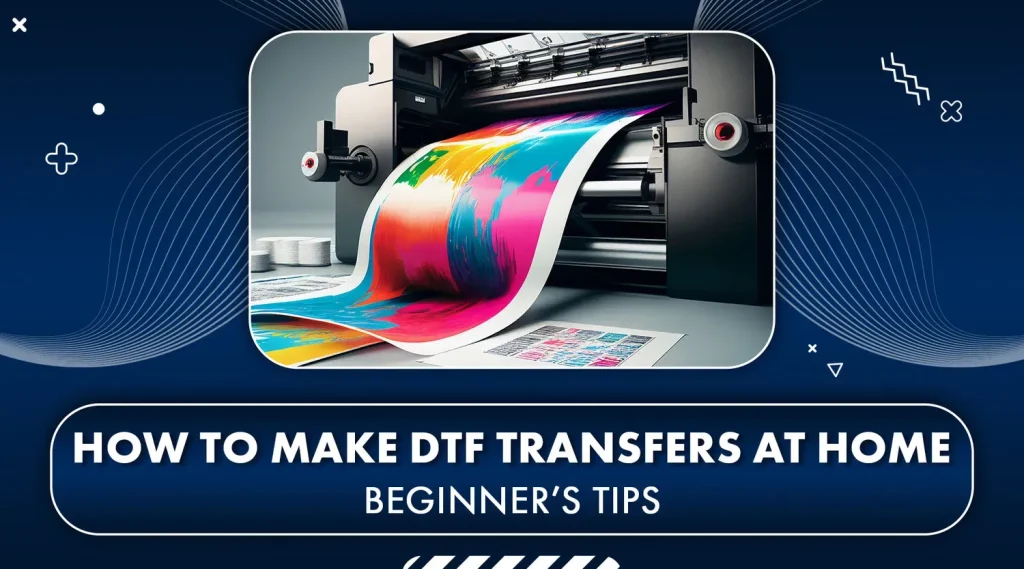
The production stage is the heart of the on-demand lifecycle. Choosing DTG, sublimation, or digital textile printing depends on product type, material, and expected order volume, with each method offering different advantages, limitations, and durability. In the on-demand printing process, the method chosen defines texture, color fidelity, and feasibility for different designs.
The goal is to align the printing method with product type and materials while balancing setup costs, run length, and speed. Standardized file formats, print-ready templates, and systematic color management support scalable execution as demand grows within the print on demand workflow.
Quality control is essential to sustain consistent outputs across laser-focused production runs. Implement randomized checks, color consistency tests, and post-print inspections to ensure repeatable results and to tighten the POD product lifecycle.
POD Fulfillment Strategies: Packaging, Logistics, and Customer Experience
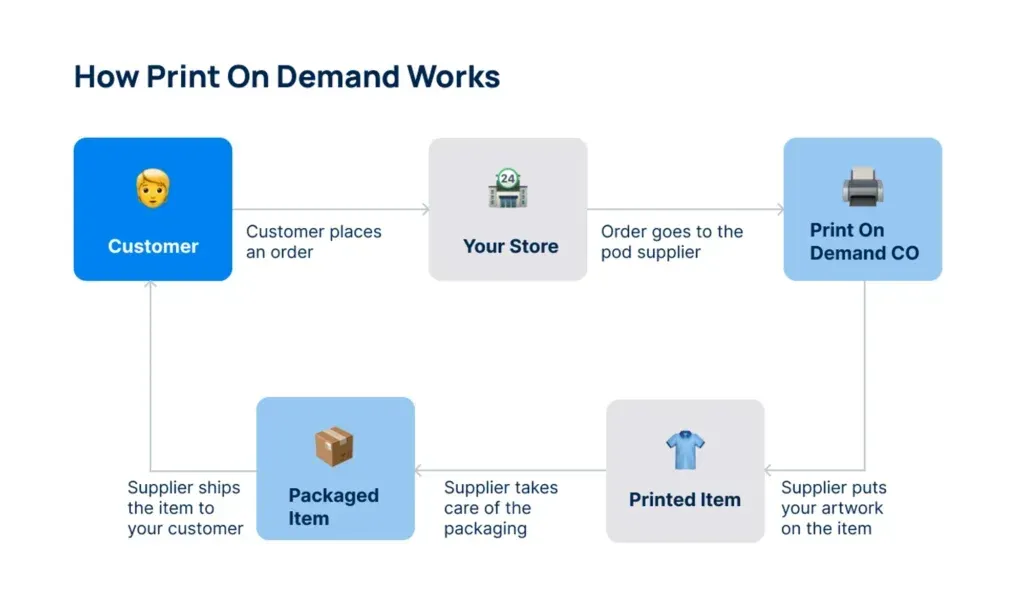
Fulfillment is where design meets logistics. After printing, items require packaging guidelines, accurate SKU management, and reliable carrier selection. Effective POD fulfillment strategies hinge on choosing partners, optimizing packaging for protection and branding, and offering shipping options that balance cost and speed.
Inventory-light by design, POD relies on tight synchronization between production and shipping. Real-time order status updates, tracking, and proactive communication improve the customer journey and reduce post-purchase inquiries, while clear returns policies support trust and repeat business.
Leveraging returns specialists and a streamlined reverse logistics process helps reinvest returned materials into new designs where feasible, closing the loop in a customer-centric fulfillment cycle.
Data-Driven Optimization Across the POD Product Lifecycle
A mature POD operation uses data to optimize every stage of the lifecycle. Production data, color accuracy metrics, order lead times, and customer feedback should feed back into design decisions, enabling faster iterations, better product-market fit, and improved efficiency within the POD product lifecycle.
Specific strategies include analyzing order patterns to identify best-selling designs and optimize seasonal launches, linking color management data to design revisions to reduce reprints and waste, and automating file preparation and proofing to reduce manual errors in the on-demand printing process.
Implementing quality control dashboards to monitor consistency across printers and substrates, refining fulfillment routes, and balancing speed with cost helps preserve brand experience. The more you integrate design, production, and logistics data, the faster you can respond to market changes and deliver on your promises.
Frequently Asked Questions
How does Design to Delivery influence the print on demand workflow and the on-demand printing process?
Design to Delivery aligns design decisions with production constraints, turning concepts into production-ready files for the on-demand printing process. By establishing color profiles, safe zones, and print-ready templates, it reduces rework and shortens lead times while maintaining print quality across DTG, sublimation, and other methods. This tight coupling also supports automation within the print on demand workflow, ensuring orders flow smoothly from design to fulfillment.
How does the POD product lifecycle shape your POD fulfillment strategies?
Understanding the POD product lifecycle—from design to sample validation, production, and fulfillment—helps you choose the right fulfillment strategies, optimize packaging, and plan inventory-light operations. It emphasizes real-time status updates, accurate SKUs, and reliable carriers to meet customer expectations. Aligning each lifecycle stage with fulfillment partners and data flows reduces delays and enhances the overall customer experience.
Why are prototyping and prepress validation critical in the on-demand printing process within Design to Delivery?
Digital proofs validate color accuracy, alignment, and printability before mass production, which is essential for the on-demand printing process. Prototyping reveals issues early, minimizes waste, and ensures what is promised in marketing matches what the customer receives. Robust prepress — color management, dielines, bleed — supports consistent results across items and printers.
What design and production practices improve fulfillment, packaging, and shipping under POD fulfillment strategies?
Design-to-print production should guide packaging guidelines, SKU management, and labeling to streamline fulfillment. Standardized file formats and clear packaging specs help fulfillment partners execute orders quickly and accurately. Close integration with production data and shipping options balances speed, cost, and brand experience, while returns processes support post-purchase service.
Which metrics drive continuous improvement in a Design to Delivery approach for the print on demand workflow?
Key metrics include lead time, defect rate, color accuracy, and order patterns. Monitoring these within the POD product lifecycle creates a closed loop that informs design revisions and production tweaks. Use dashboards to track color drift, throughput, and packaging performance, and automate file preparation and proofing to reduce manual errors.
| Stage | What happens | Key considerations | Benefits |
|---|---|---|---|
| 1) Design and Ideation | – Gather consumer insights and competitive analysis – Define clear product specs – Create design guidelines and production-ready files – Prototype concepts with digital mockups and color profiles |
– Account for printing method capabilities and material options – Set color profiles, safe zones, legibility across sizes – Align design decisions with production constraints |
– Shorter cycle times – Higher first-pass print quality – Reduced rework and faster path to fulfillment |
| 2) Prototyping and Prepress Validation | – Generate digital proofs to validate color, alignment, aesthetics – Establish a feedback loop between design and production – Validate color management, file setup, bleed, and dielines |
– Minimize color variance across orders – Detect issues before mass production – Reduce waste and return risk |
– Consistent results that meet customer expectations – Stronger POD fulfillment through reliable prepress |
| 3) Production and the On-Demand Printing Process | – Convert design to a tangible product via DTG, sublimation, or digital textile printing – Choose method based on product type, material, and volume – Integrate production with e-commerce and order management – Use automated job routing and standardized file formats |
– Align method with product type and expected orders – Maintain consistent color management across printers/substrates – Implement clear production instructions for each item |
– Reduced inventory risk and rapid iteration – Scalable, repeatable production with quality control |
| 4) Fulfillment, Packaging, and Shipping | – Package, label, and ship orders promptly – Select a reliable fulfillment partner and optimize packaging for protection and branding – Real-time order status, tracking, and proactive customer communication – Manage returns and exchanges |
– Clear packaging guidelines and accurate SKU management – Efficient carrier selection and cost-speed balance |
– Improved customer experience and reduced post-purchase inquiries – Streamlined reverse logistics and reuse of returns where feasible |
| 5) Data-Driven Optimization and Scaling | – Use production data, color accuracy metrics, order lead times, and customer feedback to inform design | – Analyze order patterns, link color management to revisions, automate file prep, and deploy QC dashboards – Optimize fulfillment routes and packaging |
– Faster iterations and better product-market fit – Reduced waste and improved efficiency – Scalable operations as demand grows |
| 6) Common Pitfalls and How to Avoid Them | – Color drift during production, missed bleed lines in prepress, delays from suppliers, suboptimal packaging | – Enforce strict color management and proofs; create robust design templates; establish SLAs with suppliers; optimize packaging; monitor KPIs (lead time, defect rate, return rate) | – Reduced variability, fewer reworks, more predictable throughput and customer satisfaction |
Summary
This table summarizes the Design to Delivery-focused POD lifecycle: from ideation through production and fulfillment, highlighting what happens at each stage, key considerations to ensure feasibility and quality, and the benefits you gain by adhering to a production-aware design process. The final stage addresses common risks and practical mitigations to keep the flow smooth and scalable.