
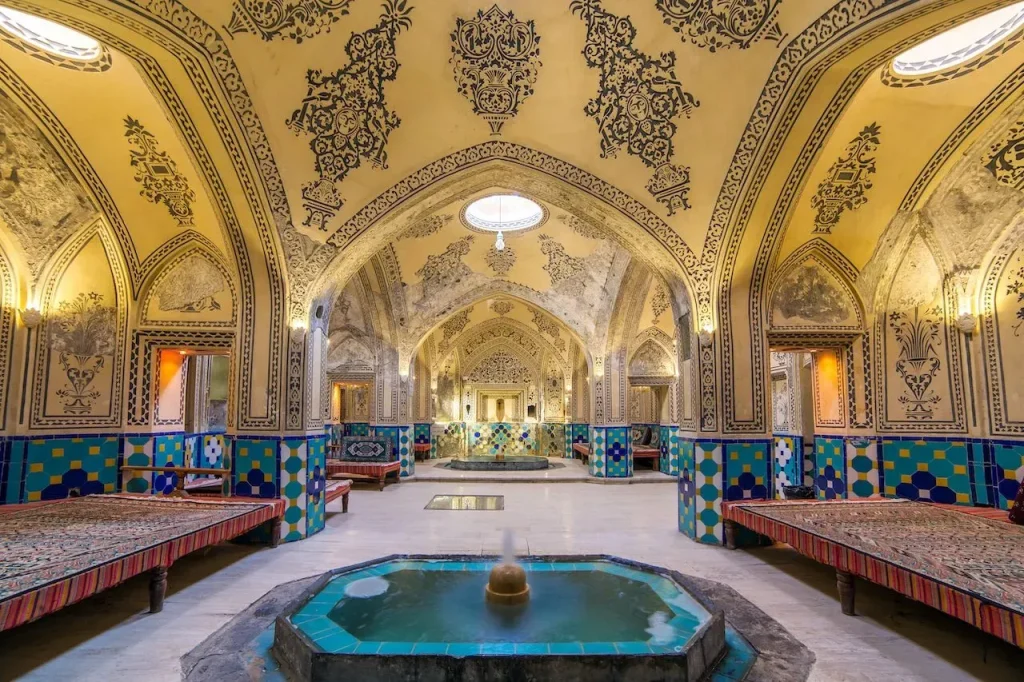
The Turkish bath is more than a steam room—it is a cultural ritual that blends cleansing, etiquette, social connection, and wellness. In hammam tradition, heat and marble create a sanctuary where the body eases and the mind settles. The hammam rituals of steam, kese exfoliation, and massage exemplify the benefits for skin, circulation, and stress relief. The experience is a slow, sensory journey that invites you to breathe deeply, savor warmth, and let tension melt away. Whether you are new to this centuries-old practice or returning to its familiar rhythms, the ritual offers a timeless path to renewal.
Steam bath heritage and Ottoman-era cleansing traditions shape a ceremonial routine that transcends ordinary spa visits. Participants drift through a sequence of warm rooms, guided by attendants and the ritual’s natural rhythm. As a turkish bath experience, the practice blends social spaces with personal renewal, echoing hammam rituals and the deeper appeal of hammam tradition.
Turkish Bath Culture: A Timeless Ritual of Cleansing, Community, and Etiquette
The Turkish bath culture blends cleansing with social connection, turning a routine wash into a ceremonial journey. From the moment you step into a hammam-inspired space, the emphasis on etiquette, ritual warmth, and shared spaces invites a slower pace that honors the tradition. This cultural framework has carried forward centuries of cleansing practices, turning the bath into a neighborhood gathering, a place to exchange news, and a moment to pause amid daily life. Such cultural depth is what separates a Turkish bath from a simple spa visit, embedding wellness in a social and historical fabric.
Within this culture, hammam rituals—pre-wash, steam, exfoliation (kese), foam massage, and final rinse—are not merely steps, but a sequence that respects body rhythms and communal time. Guests learn to move with the flow of rooms and temperatures, listening to attendants’ guidance and embracing a pace that fosters relaxation, reflection, and renewed perspective. The result is a holistic experience that honors the body, mind, and the social bonds that Hammams have cultivated for generations.
Hammam Tradition and Architecture: Marble, Steam, and the Ritualistic Room Sequence
The hammam tradition is anchored in architecture designed to complement the body’s cleansing and relaxation. Smooth marble surfaces reflect light, heat, and humidity while shallow pools offer restorative cooling and cleansing moments. The sequence—from warm rooms to hot, then to rinsing and rest—acts as a guided meditation for the senses, helping guests acclimate gradually and savor each stage of the Turkish bath experience.
This architectural choreography supports the disciplined rhythm of hammam rituals. The careful control of temperature and humidity ensures that guests can perspire in a controlled, sustainable way, allowing muscles to loosen and skin to respond to exfoliation. Visitors learn to respect the sequence as part of the cultural heritage, appreciating how space, materials, and ritual combine to create a uniquely restorative journey through the Turkish bath culture.
Benefits of the Turkish Bath: Physical Wellness, Skin Renewal, and Mind-Body Calm
The benefits of Turkish bath goes beyond temporary relaxation. The heat and massage stimulate circulation, promoting oxygen delivery to tissues and supporting muscular recovery. Regular exposure in the hammam environment can help ease stiffness, reduce perceived fatigue, and foster a sense of renewed vitality that carries into daily life.
Exfoliation, hydration, and the cleansing cascade of the kese and foam massage contribute to skin renewal, improving texture and aiding deeper absorption of moisturizers. Couple this with stress reduction from the calm, ritualized environment, and the Turkish bath becomes a comprehensive wellness practice. When viewed through the lens of mind-body health, the benefits of Turkish bath extend to improved mood, clarity, and a calmer heartbeat.
The Turkish Bath Experience: From Arrival to Finishing Rinse
Entering the Turkish bath experience starts with preparation and a mindful intention for the session. Guests are guided through changing, hydration, and acclimation to ambient heat, setting a personal tone for the journey ahead. This early stage reflects the culture’s emphasis on presence and intention as essential components of well-being.
As the routine unfolds, steam rooms warm the body and loosen surfaces for deeper cleansing, followed by exfoliation with kese and a foam massage that relaxes muscles and stimulates circulation. The experience culminates in a finishing rinse and a restful period with hydration, leaving guests with not only clean skin but a sense of mental clarity and balance that embodies the essence of the turkish bath experience.
Maximizing Your Hammam Ritual: Practical Tips for an Authentic Hammam Experience
To get the most from a hammam ritual, approach the experience with patience, hydration, and clear communication. Hydrate before and after, arrive early to acclimate, and start with a shorter session if you’re new to the rhythm of the hammam. These choices align with the hammam traditions that prioritize gradual adaptation and respect for the space.
Communicate preferences and sensitivities to the attendant, avoid over-scrubbing, and consider pairing the Turkish bath with complementary wellness practices such as a sauna, gentle massage, or a stroll in a tranquil garden. By integrating these steps, you can maximize the benefits of Turkish bath routines—preserving skin health, supporting relaxation, and deepening your engagement with the hammam rituals that have stood the test of time.
Frequently Asked Questions
What is a Turkish bath and how does it embody hammam tradition?
A Turkish bath is a sequence of warm to hot rooms designed to promote cleansing, relaxation, and recovery within the hammam tradition. Guests progress from steam to rinse to rest, typically including exfoliation (kese) and foam massage as part of the hammam rituals. This ritualized flow reflects Turkish bath culture and its emphasis on body‑mind wellness.
What are the benefits of Turkish bath for body and mind?
The benefits of Turkish bath include improved circulation, skin renewal from exfoliation, stress reduction through a calm, ritual pace, and muscle relaxation. Heat, massage, and hydration work together to support detoxification and an overall sense of well‑being.
What can I expect from a typical turkish bath experience in a hammam?
Expect a guided, unhurried turkish bath experience: arrival and preparation, progressing through steam rooms, exfoliation with kese, foam massage, a relaxing massage, and a finishing rinse with rest and hydration. The session follows traditional hammam rituals and emphasizes etiquette, pace, and mindful care.
How do hammam rituals shape Turkish bath culture?
Hammam rituals—strict temperature control, room progression, and courteous etiquette—are the backbone of Turkish bath culture. These rituals create a space for cleansing, social connection, and quiet reflection within the hammam.
How can I maximize the turkish bath experience while honoring hammam tradition?
To maximize the turkish bath experience while honoring hammam tradition, hydrate before and after, arrive early to acclimate, and communicate preferences (pressure, pace). Start with a shorter session if you’re new, avoid over‑exfoliation, and consider pairing with other wellness activities for extended benefits.
| Aspect | Key Points |
|---|---|
| What is a Turkish bath? | A series of warm to hot rooms designed to promote perspiration, relaxation, and detoxification; marble surfaces, shallow pools, and a guided sequence that balances traditional ritual with modern comfort. |
| Turkish bath culture and hammam tradition | Roots in ancient cleansing; hammams served as social hubs. Ritual steps include pre-wash, steam, exfoliation (kese), foam massage, and final rinse; modern spas preserve the heritage while adapting to contemporary expectations. |
| The unhurried pace | An unhurried, gentle progression through rooms allows heat acclimation, mental calm, and skin response; the experience is soothing rather than rushed. |
| Main steps | Step 1: Arrival and preparation; Step 2: Steam rooms and heat; Step 3: Exfoliation (kese) and foam massage; Step 4: Massage and rest; Step 5: Finishing rinse and hydration. Each step supports cleansing, relaxation, and overall wellness. |
| Health and wellness benefits | Improved circulation, skin renewal, stress reduction, muscle relaxation, detoxification with hydration, and enhanced mind–body connection. |
| Authentic experience vs. modern spa | Authentic hammam emphasizes etiquette, shared spaces, and ritual pace; modern spas may offer shorter sessions or targeted treatments. Both approaches exist, but the true Turkish bath remains deeply cultural. |
| What to expect when you visit | Etiquette, privacy considerations, hygiene, ability to communicate preferences, and respecting the tempo dictated by attendants. |
| Tips to maximize the experience | Hydrate before and after, arrive early, start with a lighter session, avoid over-exfoliation, pair with other wellness practices, and moisturize after. |
| Travelers and locals | Travelers gain cultural immersion and self-care; locals may treat it as a regular ritual reinforcing tradition and wellness. |
Summary
Turkish bath experiences offer a holistic journey into culture, cleansing, and calm, inviting the body, mind, and spirit to harmonize. The Turkish bath ritual combines heated rooms, exfoliation, and soothing massage with mindful rest, yielding not only cleaner skin but a calmer heartbeat, clearer thoughts, and renewed balance. Embracing the Turkish bath culture invites a timeless practice into modern wellness, proving that health and tranquility can—and often do—coexist in daily life.