
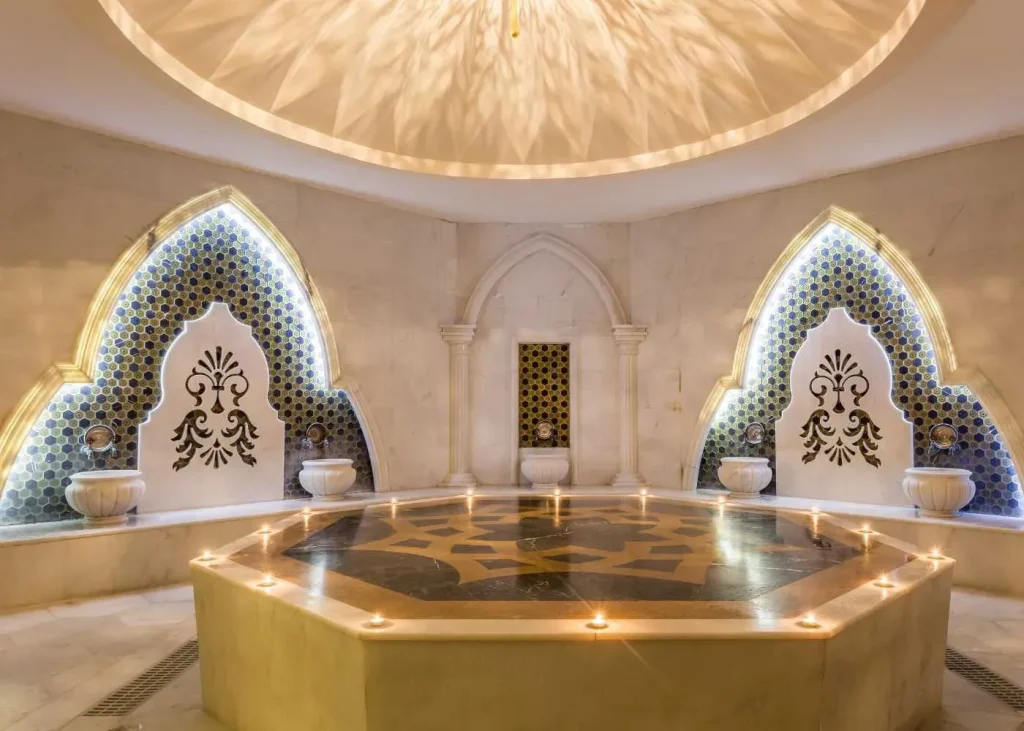
Turkish hammam invites travelers into a centuries-old ritual that blends heat, steam, and ceremonial gathering. Drawing on timeless Turkish bath traditions, the marble rooms, rhythmic scrubbing, and soothing massages create an immersive hammam experience. This introductory guide explains what to expect, including hammam etiquette and the benefits of the hammam experience. The ritual unfolds in a sequence of warm rooms, a kese scrub, and a restorative rinse that can ease tension and refresh the skin. From Istanbul to Cappadocia or a modern spa abroad, the Turkish bath offers a sensory doorway into a living tradition.
Often called a hamam or steam bath, this Turkish bath tradition centers on cleansing through heat, humidity, and mindful touch. Architectural beauty, from marble slabs to domed ceilings, frames a ceremonial bathhouse experience that has shaped Turkish spa traditions for generations. Rituals like the kese exfoliation, soap lather, and therapist-guided massage are performed with consideration for hammam etiquette. Whether you’re in a historic Istanbul bathhouse, Cappadocia spa, or a modern wellness center abroad, the core idea remains a sensorial journey that fuses hygiene, relaxation, and cultural storytelling.
Experiencing the Turkish Hammam: A Timeless Turkish Bath Ritual
The Turkish hammam is more than a cleansing ritual—it’s a sensory journey through heat, steam, and tradition. From the marble-clad walls to the rhythm of a kese and the luxurious foam wash, the experience unfolds in a sequence that invites you to slow down and be present. The term Turkish bath evokes both the physical cleansing and the cultural meaning embedded in centuries of spa practice, where architecture, temperature, and massage combine to refresh body and mind.
As you move through the space, you engage with a living tradition—part wellness, part ceremony. The hammam experience blends cleansing with social and cultural elements, reflecting Turkish spa traditions that emphasize hospitality, ritual, and reverence for the body. Whether you’re visiting Istanbul’s historic hamams or a modern spa abroad, the core elements remain the same: warmth, soap lather, exfoliation, and soothing touch that honor both health and heritage.
What to Expect: The Hammam Experience from Arrival to Relaxation
Arrival typically involves a change into a pestemal or towel, with clear guidance on sections for different genders or private options. You’ll leave shoes at the door and step into a serene environment designed to ease tension and prepare the skin for cleansing. The staff will explain the flow, so you know when to anticipate the scrub, foam, and massage, helping you feel comfortable and in control of the pace.
In the warm room, heat and humidity begin to open pores and relax muscles. The kese exfoliation removes dead skin and stimulates circulation, followed by a generous soap wash that foams beautifully under heat. A massage may reinforce lymphatic flow and soothe tired muscles, leaving you with a sense of renewal and calm—the essence of the hammam experience.
Hammam Etiquette Essentials: Respectful Practices in the Turkish Bath
Hammam etiquette centers on respect, modesty, and clear communication. If you’re unsure about a service, ask politely and specify any sensitivities or medical concerns. Observing separate sections or times for different genders, as required, helps maintain comfort for all guests and preserves the dignity of the ritual.
Preparation and participation should be thoughtful: bring a pestemal, wear appropriate attire, and stay hydrated. When receiving a scrub or massage, communicate preferences—pressure, areas to avoid, and any sensitivities—before the session begins. A small tip for attentive attendants is customary in many Turkish bath communities, signaling appreciation for a careful, culturally informed experience.
Choosing the Right Turkish Spa Traditions: Regional Variations in the Turkish Bath
Regional variations shape the ambiance and pace of the Turkish bath. In Istanbul’s historic hamams, ornate interiors and time-honored rituals weave storytelling into the service, while in more contemporary settings the experience may be streamlined without losing essential heat, cleansing, and massage elements. Across Cappadocia and other regions, you might encounter quieter atmospheres and a stronger emphasis on etiquette and guest comfort.
When selecting a hammam, look for facilities that align with your preferences for authenticity, safety, and ambiance. Consider the balance between traditional rituals and modern safety standards, the availability of private spaces or gender-specific options, and the packages that include scrub, foam wash, and massage. This focus on Turkish spa traditions helps ensure a meaningful connection to the culture while meeting contemporary wellness expectations.
Health Benefits and Wellness: The Enduring Turkish Hammam Benefits
The Turkish bath benefits extend beyond cleansing: heat and steam promote relaxation, ease muscle tension, and may improve skin health through exfoliation and improved circulation. The ritual can support a sense of mental clarity and reduced stress, creating a holistic wellness experience that resonates long after leaving the marble rooms.
As with any wellness activity, mindful participation is key. Hydration, listening to your body, and consulting with a healthcare professional if you have conditions such as heart concerns or skin infections help maximize safety and enjoyment. By embracing the hamam’s rhythm—prepare, cleanse, rest—you can experience lasting benefits that reinforce why the Turkish hammam remains a beloved spa tradition worldwide.
Frequently Asked Questions
What is a Turkish hammam and how does it relate to Turkish bath traditions?
A Turkish hammam is the traditional Turkish bath—a public bathhouse where heat, steam, cleansing, and bodywork come together as a ceremonial experience. It reflects Turkish spa traditions through a structured sequence of rooms, a kese scrub, soap wash, and often a massage. Whether you’re in Istanbul or at a modern spa, the Turkish bath experience centers on cleansing, relaxation, and cultural ritual.
What should I know about hammam etiquette when visiting a Turkish bath?
Hammam etiquette includes modest attire, respectful behavior, and clear communication with attendants. Many facilities offer separate sections or times for different genders; if unsure, ask at the reception. Bring a pestemal or towel, and mention any skin sensitivities or medical concerns before the scrub or massage.
What are the typical steps of a hammam experience in a traditional Turkish bath?
The experience usually begins with arrival and preparation, then warm room relaxation, a kese scrub and foam wash, followed by massage and cleansing, and ending with a rinse and quiet relaxation. Attendants perform or guide the scrub and foam wash to rejuvenate the skin and stimulate circulation. Always communicate preferences about pressure or areas to avoid.
What are the health benefits of a Turkish bath and what precautions should first-time visitors take?
The Turkish bath benefits include relaxation, reduced muscle tension, and improved skin cleansing, supported by heat and steam. However, avoid if you’re pregnant, have certain heart conditions, open wounds, or skin infections. Hydration is essential, and you can request milder exfoliation if you have sensitive skin.
How do I choose the right Turkish hammam or Turkish spa tradition for my visit?
Look for cleanliness, authentic ambiance, and staff options that fit your comfort level. If you prefer a female attendant or private suites, check in advance. Compare packages that include scrub, soap wash, and massage, and seek venues that honor Turkish spa traditions while meeting safety standards.
| Aspect | Overview | Practical Tips |
|---|---|---|
| What is a Turkish hammam? | A public bathhouse blending cleansing, steam, heat, and bodywork into a ceremonial experience; architecture often features a warm room, hot room (hararet), and a cool-down area; includes kese scrub, soap, and massage. | Seek venues that honor traditional rituals; ask about gender sections and services before starting. |
| The ritual steps | Steps include arrival/prep, warm room, scrub with kese and foam wash, massage, rinse and relaxation. | Wear a pestemal or towel; communicate preferences and sensitivities; allow extra time. |
| Hammam etiquette | Do’s and don’ts: respect modesty, follow local norms, ask for permission, bring essentials, stay hydrated, and tip discreetly. | Follow local norms, check gender policies, bring or check supplied items, hydrate, tip appropriately. |
| Health benefits and considerations | Heat and steam promote relaxation, ease muscle tension, and may improve skin and circulation; cautions include pregnancy, heart conditions, open wounds, or skin infections; stay hydrated. | Consult a healthcare professional if pregnant or with conditions; hydrate; request milder exfoliation if sensitive. |
| Choosing the right hammam | Cleanliness and atmosphere; availability of attendants; price and packages; authenticity and traditional rituals. | Look for well-maintained facilities; confirm attendant gender preferences; compare packages; seek authentic experiences. |
| What to expect in different regions | In Istanbul, hamams are ornate with time-honored rituals; in tourist areas, experiences may be streamlined; smaller towns emphasize etiquette. | Ask about regional variations; manage expectations; plan time accordingly. |
| Preparing for your first Turkish hammam visit | Bring pestemal or towel, change of underwear, and water; expect 60–90 minutes for a full session. | Bring your own items if preferred; arrive with time for preparation; ask about gender policies; know your limits and pace yourself. |
Summary
Turkish hammam is more than a cleansing ritual; it is a living tradition that has shaped Turkish culture for centuries. The experience blends heat, steam, exfoliation, and massage to refresh the body and relax the mind. In marble rooms, with scrub, soap, and massage, you are invited to slow down, breathe, and savor a timeless spa practice. By understanding what to expect, following etiquette, and selecting a setting that matches your preferences, you can enjoy an authentic Turkish hammam experience that resonates long after you leave the marble rooms.