
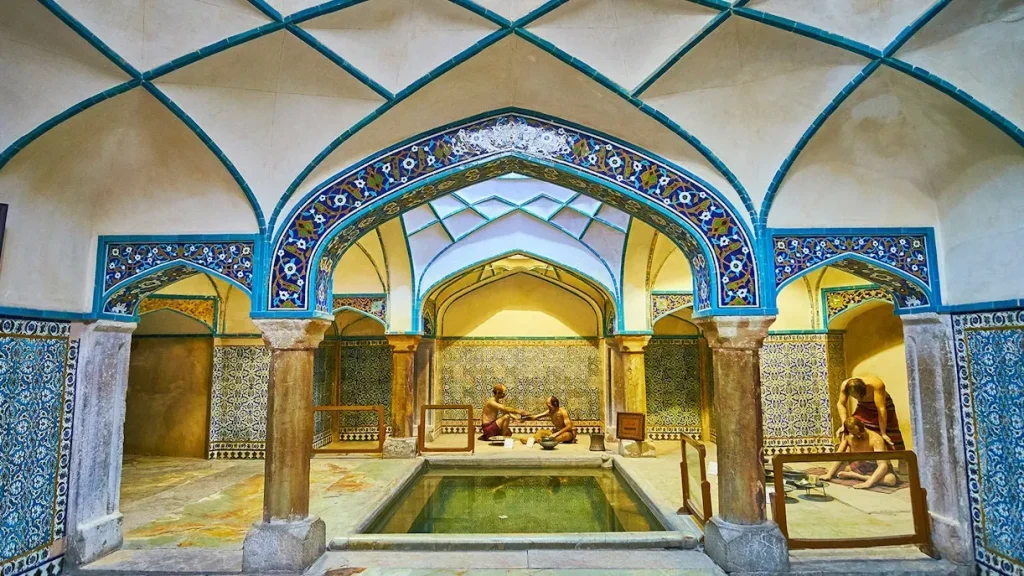
Turkish hammam architecture anchors a ritual landscape where space, social exchange, and cleansing converge. From the marble Göbek Taşı to carefully lit domed vaults, Turkish hammam construction merges architectural precision with ceremonial purpose. Hammam marble design informs both comfort and durability in humid atmospheres, while steam room design hammam guides movement from cool to hot. Traditional Turkish bath architecture emphasizes a curated sequence, where domes, arches, and light sculpt atmosphere and ritual rhythm. As modern bath houses draw inspiration from Ottoman bath design, the enduring core of Turkish hammam architecture remains a living heritage.
Beyond the specific term Turkish hammam architecture, these spaces reveal a broader tradition of historic bathhouse design across Anatolia and the former empire. Common threads include a regulated sequence of rooms, marble-clad surfaces, and a climate crafted to reveal the ritual of cleansing. These steam-centric interiors are often organized around a central platform and courtyards, echoing Ottoman bath design principles while adapting to contemporary needs. In modern spa projects, designers translate this heritage into accessible, energy-efficient layouts that honor authenticity, craftsmanship, and the social life of traditional steam baths.
Core Principles of Turkish Hammam Construction and Ritual Flow
Turkish hammam construction blends architecture, material choice, and climate control to guide ritual flow—from cool antechambers to warmer, more humid spaces, culminating in the hot steam room. This approach aligns with how the space is built, emphasizing a sequence that supports cleansing, reflection, and social exchange. In practice, the construction considers ceiling geometry, wall finishes, and moisture management to create a coherent sensory journey that invites movement and participation.
The layout itself becomes a choreography: private to public, quiet to social, and cool to hot. Central to this flow is the Göbek Taşı—a large marble platform that anchors the hot room and serves as a stage for traditional scrubs and massages. By orienting pathways around this focal point, Turkish hammam architecture expresses a philosophy of intentional circulation found in Ottoman bath design and broader traditional Turkish bath architecture.
The Göbek Taşı and Hammam Marble Design as the Ritual Center
The Göbek Taşı is more than a centerpiece; it is a functional element shaped by hammam marble design. Marble surfaces provide the cool touch on entry and the warmth that accrues during ritual cleansing, making the platform ideal for massage, oiling, and preparation of towels and water. In marble design terms, the material’s density, veining, and polish contribute to both aesthetics and performance in humid environments.
Patterns and textures in hammam marble design extend beyond beauty; they reinforce grip, durability, and moisture resistance while catching light from skylights and lamps. The surrounding marble, floors, and adjacent mosaics create a tactile, luminous environment that heightens the ritual’s sensory dimension. The result is a durable, elegant setting where social ritual and physical cleansing reinforce one another.
Climate, Steam, and Steam Room Design Hammam: Crafting Comfort
Steam is the lifeblood of the experience, and steam room design hammam centers on balancing humidity, heat, and airflow. Domed ceilings with oculi or skylights help distribute light and moist air, while careful placements of arches and curved walls shape acoustics and movement. This architectural logic ensures the space remains inviting, breathable, and functionally intimate during the cleansing ritual.
Traditional Turkish hammam construction relies on a blend of radiant surfaces, underfloor heating, and a separate boiler room to manage hot water and steam. As modern adaptations emerge, designers often incorporate improved ventilation and dehumidification to maintain comfort without sacrificing atmosphere. In short, climate is not just a backdrop but a design tool that underpins the physical and social experience of the bath.
Domes, Arches, and Light in Traditional Turkish Bath Architecture
A defining feature of traditional Turkish bath architecture is the dialogue between interior geometry and light. Domed ceilings, punctuated by oculi, filter natural daylight into steam-filled spaces and create spots of glow that play on polished marble. Archways and curved walls guide movement, turning passages into curated experiences rather than simple corridors.
Wall treatments—polished marble, mosaic tiles, and lime plaster—address moisture and durability while shaping light and acoustics. Mosaic borders provide rhythm along walls, while large marble planes reflect light and amplify the space’s luminosity. In traditional Turkish bath architecture, every material choice is deliberate, balancing moisture resistance with visual refinement to ensure longevity in humid conditions.
Turkish hammam architecture: Regional Variations, Conservation, and Modern Adaptations
Ottoman bath design influenced hammam architecture across regions, producing variations in scale, ornament, and site context. While the core sequence of warm, hot, and cleansing spaces remains consistent, regional tastes and available materials yield a rich tapestry of expressions within the broader tradition of Turkish hammam architecture. This regional plurality highlights how traditional principles adapt to local climates and urban fabrics.
From a conservation perspective, traditional Turkish bath architecture teaches how to balance aesthetic preservation with functional upgrades. Modern projects often integrate accessibility features, energy-efficient systems, and water management innovations, all while maintaining the essential character of Ottoman bath design. By preserving marble, domes, arches, and the ceremonial sequence, contemporary facilities honor heritage while meeting today’s sustainability and comfort expectations.
Frequently Asked Questions
How does Turkish hammam architecture shape the sequence of spaces and the ritual flow?
Turkish hammam architecture guides visitors from a cool antechamber to warmer rooms and finally the hot, steam-filled area, modulating temperature, moisture, and social interaction. Central features like the Göbek Taşı and deliberate room arrangement anchor the ritual flow, turning movement into a shared cleansing and social experience.
What is the significance of hammam marble design in the central platform and surrounding surfaces?
Hammam marble design emphasizes marble’s cooling touch and heat retention, supporting durable surfaces around the Göbek Taşı, walls, and floors. Thoughtful patterns, bevels, and mosaics enhance aesthetics while ensuring moisture resistance, reflecting luxury and long-term performance in Turkish bath spaces.
How do domes, arches, and light contribute to the atmosphere in traditional Turkish bath architecture?
In traditional Turkish bath architecture, domed ceilings with oculi and arches regulate light, acoustics, and circulation. Light reflects off polished marble and tiles, while curved walls guide movement, creating a serene, communal ambiance suited to ritual and social interaction.
What roles do steam, humidity, and climate control play in Turkish hammam construction?
Steam and humidity are central to Turkish hammam construction. Radiant marble surfaces, underfloor heating, and a dedicated boiler shape the climate to support cleansing rituals. Modern ventilation and dehumidification help sustain comfort without compromising the enveloping steam atmosphere.
How have Ottoman bath design principles influenced regional variations and contemporary Turkish hammam architecture?
Ottoman bath design principles inform regional variations in ornament, scale, and material choice while preserving the core sequence of spaces, the central Göbek Taşı, and the emphasis on marble, light, and steam. This legacy remains evident in modern Turkish hammam architecture, balancing authenticity with today’s comfort and sustainability.
| Aspect | Key Points |
|---|---|
| Purpose and core idea | The bath is a space for cleansing, reflection, and social exchange, expressed through form, materials, and climate. |
| Room sequence and ritual flow | Progression from cool antechamber to warmer, more humid spaces, and finally the hot steam room; each room serves a specific function (changing area, warm room for conversations, hot cleansing/relaxation). |
| Göbek Taşı (central marble platform) | Central marble platform anchors ritual; a functional stage for scrubs and massages and a focal point for social gathering around towels, oils, and water. |
| Marble as material and motif | Marble provides cooling/heating properties; used on Göbek Taşı, walls, floors; patterns and veining contribute to depth and durability; reflects light to brighten spaces. |
| Steam, humidity, climate control | Steam is central; climate shaped by domed ceilings, openings, radiant heating, and underfloor heating; modern adaptations include ventilation and dehumidification. |
| Architectural features: domes, arches, and light | Domed ceilings with oculi/skylights; arches and curved walls guide movement and acoustics; wall treatments address moisture and durability (marble, mosaic, lime plaster). |
| Cultural context and regional variations | Ottoman influence; regional variations in scale, ornament, and materials; conservation and accessibility considerations in modern contexts. |
| Modern adaptations and sustainability | Energy-efficient heating, ventilation, and water management; renewable energy and water recycling in some projects; preserves core elements of Turkish bath architecture. |
| Practical takeaways for visitors and builders | Clear room sequence; observe marble and tile work; lighting and acoustics; climate control; regional variations. |
Summary
Turkish hammam architecture is a living heritage where the bath becomes a choreography of form, material, and climate, inviting movement, reflection, and social connection. From the central Göbek Taşı and marble surfaces to the steam-filled ambience and domed light, the design orchestrates a sequence that modulates heat, humidity, and human interaction. The practice blends ancient precedents with contemporary sustainability and accessibility concerns, ensuring that authentic experience endures alongside modern comfort. This descriptive conclusion highlights how architecture, marble, and steam co-create a timeless bath ritual that informs both heritage preservation and contemporary wellness spaces worldwide.