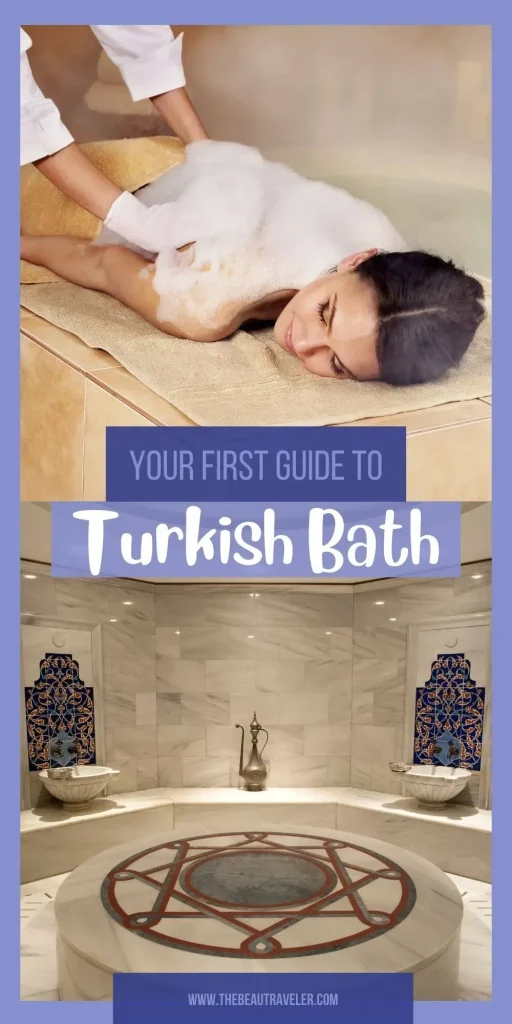
Turkish hammam guide invites you to explore the rituals, ambiance, and timeless appeal of a traditional cleansing experience. The opening pages touch on hammam etiquette, offering practical tips on gentleness, respect, privacy, and local customs. As you move through the rooms, the narrative highlights architecture, humidity, and the social aspects that give the bath its enduring charm. It also sets expectations for what to wear, how to prepare, and how to approach exfoliation and massage in a respectful, comfortable way. Whether you’re planning your first visit or simply curious about this cultural rite, the guide prepares you to step into the steam with confidence.
Beyond the label, this Ottoman-era steam bath experience carries a sense of ceremony, architecture, and communal warmth that define the ritual. Think of it as a traditional cleansing rite—exfoliation, foam, and massage woven into a contemplative spa moment. The guidance here translates the steps into practical tips for preparation, privacy, and pacing, so travelers and locals can approach the practice with respect and curiosity.
Turkish hammam essentials: History, architecture, and the social ritual
Historically, the Turkish hammam evolved in the Ottoman era as a public space for cleansing, conversation, and ceremony, not merely washing. It is a traditional Turkish bath where heat, humidity, and sociability combine to refresh body and spirit.
Architecturally, hammams feature domed ceilings, marble slabs, and separate spaces that guide the body through warmth to heat, then to cooling. The social element is woven into the setting—laughter, shared rituals, and the quiet hum of water in the pools—creating a cultural experience beyond a spa treatment.
Within the typical progression you’ll encounter the warm room, hotter steam room, exfoliation with a kese, and köpük soap massage, followed by a rinse and cooling area. This structure, preserved in many historic bathhouses and mirrored in modern facilities, anchors both physical cleansing and personal renewal.
How a Hammam Works: From Warm Room to Cooling Finale
Arriving at a hammam marks the start of a gradual immersion into warmth. After changing in a dedicated area, guests typically enter a warm room where humidity helps the body begin to sweat and relax.
Then you move to the hotter steam space, where the air thickens with moisture and the body softens under heat, setting the stage for deeper cleansing. If you’re curious about how a hammam works, think of it as a carefully staged flow that opens pores, supports circulation, and prepares the skin for exfoliation.
An exfoliating kese follows the steam, turning rough skin into a smooth canvas, often paired with köpük foam and a gentle massage. Finally, a thorough rinse restores clarity to the skin and invites a cooling rest, completing the cleansing cycle.
Hammam Etiquette and Comfort: Practical Tips for a Respectful Visit
Hammam etiquette is knowledge that helps everyone enjoy the ritual with respect. In many places, dress code, gender-specific hours, and quiet behavior are observed to maintain a contemplative atmosphere.
Visitors should bring a towel, water, and a modest approach to exfoliation, letting staff know their comfort level. Clear communication about pressure, pace, and personal preferences is also part of good hammam etiquette.
Tip generously where appropriate and be mindful of cultural cues—this supports the attendants, who guide the experience and ensure safety and comfort for all participants.
Benefits of the Traditional Turkish Bath: Physical, Mental, and Cultural Renewal
Physical benefits of the traditional Turkish bath include improved circulation, hydrated skin, and relief from muscle tension. The humidity and heat promote cleansing of the skin and can leave you feeling refreshed.
Mental benefits often surface as the ritual slows the mind, reduces stress, and improves mood in a meditative setting. The social aspect—the shared experience and sense of belonging—adds a cultural dimension to the wellness.
While detox perceptions are debated, the combined heat, cleansing, and exfoliation do contribute to a renewed sense of clarity and vitality, reinforcing the value of the traditional Turkish bath.
Turkish hammam guide: Choosing and Planning Your Experience
Choosing and planning your experience begins with location, history, and what you hope to gain. Historic bathhouses with marble interiors evoke a sense of grandeur, while modern facilities may emphasize privacy and accessibility.
When selecting a hammam, consider hygiene standards, staff language, available services like kese, köpük, or massages, and the price structure. Reading reviews, checking schedules, and confirming gender policies helps align the visit with your comfort.
To maximize the experience, arrive early, communicate your comfort level, hydrate, and allow the ritual to unfold at its own pace. Whether you seek cultural connection or pure relaxation, the traditional Turkish bath offers a timeless path to refreshing renewal.
Frequently Asked Questions
What is a Turkish hammam and how does the Turkish hammam guide describe how a hammam works?
A Turkish hammam is a traditional steam bath that blends heat, moisture, cleansing, and relaxation. The Turkish hammam guide explains how a hammam works by guiding you through three zones: the warm room for acclimation, the hotter steam area for cleansing and relaxation, and the cooling area to finish. In between, the ritual often includes a kese exfoliation and köpük foam, plus optional massage, making the experience as much cultural ritual as cleansing.
What are the key rituals in a traditional Turkish bath as outlined in the Turkish hammam guide, and how does hammam etiquette come into play?
The traditional Turkish bath sequence described in the Turkish hammam guide starts with arrival and acclimation in the warm room, moves to the hot steam phase for cleansing, then exfoliation with kese and a köpük foam treatment, followed by massage and a final rinse, ending with cooling and hydration. Hammam etiquette — including modest dress, respecting gender-specific hours, asking staff for guidance, and communicating your comfort level — helps ensure a respectful and comfortable experience for everyone.
What are the main hammam benefits a first-time visitor should expect according to the Turkish hammam guide?
Expect several hammam benefits highlighted in the Turkish hammam guide: improved circulation and skin health from heat and humidity, stress relief and mood enhancement from the ritual pace, muscle relaxation, and a sense of cultural connection. Regular visits can also support detox-like cleansing and a feeling of renewal.
How should I prepare for a visit to a Turkish hammam and what should I know about kese and köpük, as explained in the Turkish hammam guide?
Prepare by bringing a towel, a small washcloth, sandals, and water. The Turkish hammam guide explains kese as a rough exfoliating glove and köpük as foam soap used during cleansing. You’ll experience the warm room, hot steam, and exfoliation, with the option of a massage. If you’re new, tell the attendant your comfort level and hydrate before and after.
What should I consider when choosing a hammam and understanding hammam etiquette, according to the Turkish hammam guide?
Consider the type of hammam (historic public bathhouse vs modern facility), gender policies, hygiene standards, language support, and price. The Turkish hammam guide also emphasizes hammam etiquette: follow local rules, dress modestly, stay hydrated, speak up about comfort, and tip appropriately when service is provided.
| Aspect | |
|---|---|
| What is a Turkish hammam? | A traditional Ottoman-era steam bath emphasizing heat, humidity, cleansing, and relaxation; a social and cultural ritual found in historic bathhouses and modern facilities worldwide. |
| Setting and spaces | Three essential spaces: warm room, hot steam room, and cooling area; air rich with humidity and aromas; rituals often involve kese (exfoliating glove) and köpük (foam soap). |
| Core rituals (kese and köpük) | Kese exfoliating glove plus köpük foam soap; thorough but invigorating cleansing; massage commonly accompanying the foam; comfort level should guide pressure. |
| Typical sequence / Steps | Arrival; warm room acclimation; hot/steam phase; exfoliation; optional massage; rinse; cooling and hydration. |
| Etiquette tips | Follow facility rules; dress modestly; check gender-specific hours; bring a towel; stay hydrated; tipping appropriate where allowed; communicate comfort levels. |
| Benefits | Improved circulation and skin health; stress relief; muscle relaxation; cleansing/detox; sense of cultural connection and social belonging. |
| Choosing a hammam | Consider location, cleanliness, staff friendliness, and services like kese, köpük, or massages; decide between historic/public vs modern facilities; check language options and pricing. |
| First-timer tips | Be patient with the process; start with milder exfoliation; hydrate before and after; share any health concerns with staff; arrive a bit early to settle in and follow the routine pace. |
| Terminology | Kese = exfoliating glove; köpük = foam soap; ask staff if terms are unclear to ensure you receive the expected treatment. |
| Common myths | Myth: hammams are only for certain ages or body types; truth: people of all ages and types visit (health considerations vary); myth: exfoliation is always painful (should feel invigorating, not painful); language barriers are often overcome with multilingual staff. |