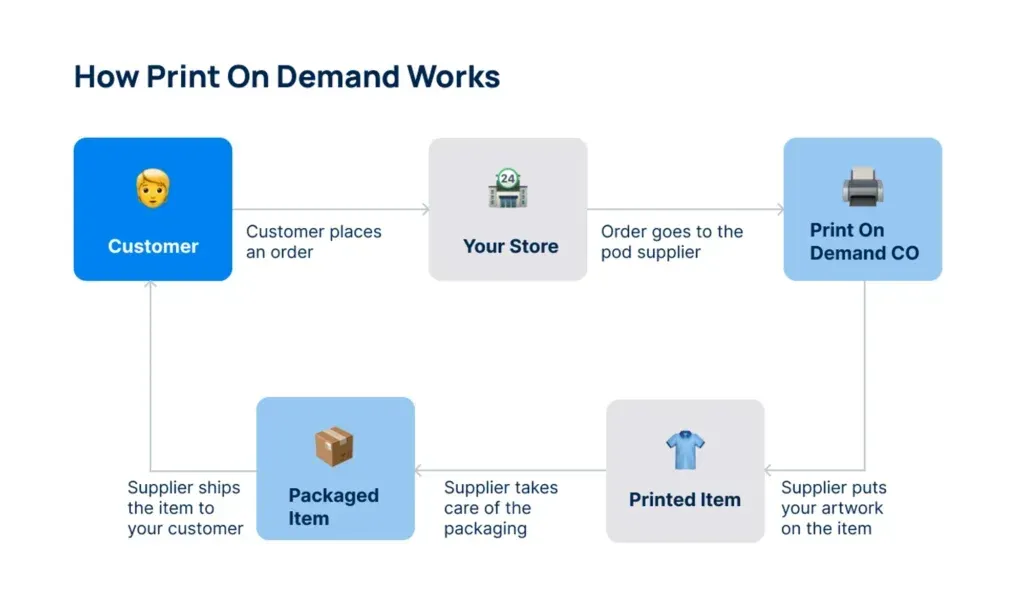
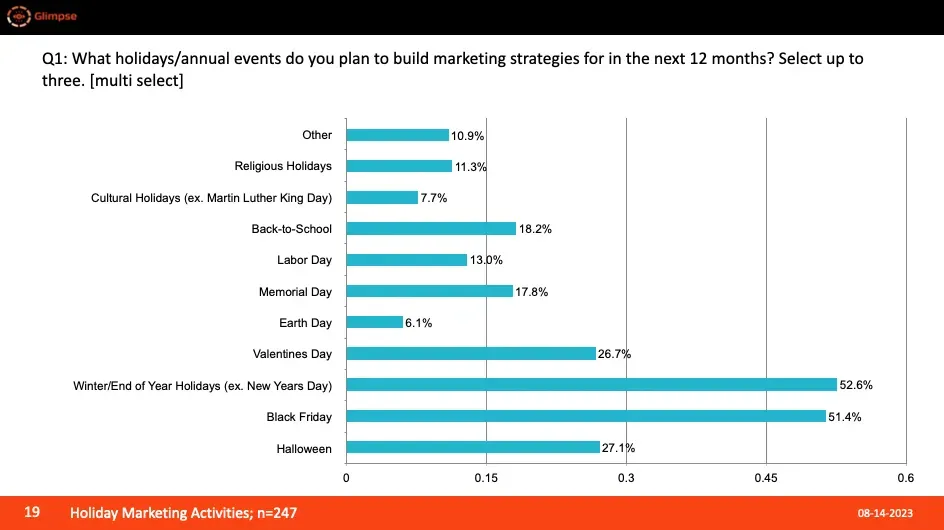
Seasonal Marketing for POD is a structured approach that blends design, merchandising, and marketing around the calendar. In the world of print on demand marketing, you can turn holidays, events, and cultural moments into sales by planning ahead and acting fast. This guide outlines practical steps and seasonal marketing ideas that align product creation with customer mood and shopping patterns. The framework supports POD holiday campaigns with coherent offers across storefronts and product categories. The goal is a repeatable process that grows revenue while delivering a great experience for your customers.
By adopting a calendar-driven approach, seasonal campaigns become ongoing programs rather than single promotions. A demand-cycle mindset helps you forecast peaks and align your catalog with peak search moments, creating a steady flow of new designs and promotions. Think in terms of theme calendars, audience segments, and trend-driven product ideas that fit into a cohesive store story. This perspective emphasizes merchandising continuity across channels, including your website, social, and email, to sustain momentum beyond a holiday. In practice, you map product concepts, assets, and offers to seasonal themes so shoppers experience a familiar, value-rich journey.
1) Seasonal Marketing for POD: Building a Repeatable, Calendar-Driven Growth Engine
Seasonal Marketing for POD is most powerful when treated as a repeatable process rather than a single campaign. By tying design, merchandising, and marketing to an annual calendar, you can turn holidays, events, and cultural moments into reliable revenue. This approach leverages the fundamentals of print on demand marketing to create a scalable system that delivers value to customers at predictable moments.
A calendar-driven framework helps you forecast demand, curate a compact catalog aligned with seasonal search trends, and synchronize product creation with customer mood and shopping patterns. With clear stages for design-driven products, compelling marketing assets, and a promotion plan, you can build momentum that lasts beyond a single promotion and earn repeat buyers through consistent seasonal storytelling.
2) Planning Calendar Baselines for POD Holiday Campaigns
Start with a planning calendar that marks major dates, potential promotions, and design themes. For each date, specify a target customer segment, suggested product types, and a promotion plan. This discipline creates a repeatable rhythm—design, test, learn, and optimize—so you can refine offerings for next season.
Framing holidays and events as entry points helps you collect data, learn preferences, and calibrate your approach. By documenting the three pillars—product selection, design development, and marketing assets—you establish a lean, monthly cadence that supports scalable growth and a coherent seasonal story across storefronts and product categories.
3) Design and Product Strategy: Trend-Driven Product Ideas and Seasonal Marketing Ideas for POD
Design is the engine of POD success. High-quality mockups and on-brand visuals convert visitors into buyers, especially when designs feel native to the season rather than generic. Embrace color palettes and typography that evoke the holiday mood or event vibe, and bundle designs to create cohesive options across multiple products.
To maximize relevance, tailor designs to specific niches—pets, planners, home decor enthusiasts—and continuously explore trend-driven product ideas. By pairing evergreen items with limited edition designs, you capture both steady demand and impulse buys, while aligning with seasonal marketing ideas that resonate in search and social channels.
4) Marketing Assets and Content Strategy: Channel-Driven Seasonal Campaigns for Holiday Season Merchandising
Beyond core designs, prepare a suite of marketing assets—store banners, social thumbnails, email header graphics, and short promo videos. Seasonal marketing for POD thrives when branding remains consistent while adapting visuals to the season, boosting brand recall and click-through rates across paid and organic channels.
Content plays a critical role in discovery and engagement. Create blog posts, buyer guides, design roundups, and behind-the-scenes insights that tie into the calendar. These assets support your POD holiday campaigns and help you rank for long-tail phrases related to seasonal ideas, while reinforcing holiday season merchandising across channels.
5) Measure, Optimize, and Scale: Data-Driven Growth in Print on Demand Marketing
Campaigns should be measurable from day one. Track metrics such as page views, add-to-cart rate, checkout rate, and average order value to understand what resonates with customers. Use data to inform calendar adjustments, design tests, pricing points, and messaging for future seasons.
Adopt a structured learning loop: run experiments, document lessons in a shared workbook, and apply insights to the next cycle. With POD and print on demand marketing, iterative optimization enables scalable growth, helping you turn seasonal success into a sustained pattern of revenue and customer satisfaction.
Frequently Asked Questions
What is Seasonal Marketing for POD and how does it fit into print on demand marketing?
Seasonal Marketing for POD is a structured, repeatable approach that aligns design merchandising and marketing to the calendar for print on demand products. It helps you forecast seasonal demand, build a compact catalog, and deliver timely, on-brand offers as part of your broader print on demand marketing strategy. The goal is to turn holidays, events, and cultural moments into recurring revenue while delivering a great customer experience.
How can I plan POD holiday campaigns using seasonal marketing ideas and trend-driven product ideas?
To run POD holiday campaigns, start with a planning calendar that marks major dates and assigns a design theme, target segment, suggested product types, and a promotion plan. Use seasonal marketing ideas to populate your catalog with evergreen items plus trend-driven product ideas to capture impulse buys. Align your designs, product pages, and marketing assets across channels and schedule promotions to peak before peak shopping moments. This is how you execute POD holiday campaigns within a structured print on demand marketing framework.
What are effective holiday season merchandising and design strategies for Seasonal Marketing for POD?
Key holiday season merchandising and design strategies for Seasonal Marketing for POD include creating a cohesive storefront with seasonally aligned color palettes, typography, and mockups; balancing evergreen items with limited edition designs; and bundling complementary products to increase order value. Make designs feel native to the season rather than generic, and tailor bundles to segments like pet lovers, planners, or home decor enthusiasts. High-quality visuals and consistent branding improve conversion across search and social channels.
What metrics should I track to optimize Seasonal Marketing for POD campaigns?
Track metrics from day one: page views, add-to-cart rate, checkout rate, and conversion rate, plus average order value and revenue per visitor. Monitor product-level performance for each seasonal design theme and assess inventory and fulfillment timelines. Use A/B tests on design, pricing, and messaging, and capture learnings in a shared workbook to improve future Seasonal Marketing for POD campaigns.
What steps create a scalable seasonal marketing calendar for POD?
Start with a planning calendar that marks major dates and promotions. Build three pillar elements: product selection, design development, and marketing assets. Maintain a monthly cadence to test, learn, and optimize; ensure production readiness and clear timelines with partners; and establish a feedback loop to refine next season’s calendar. This repeatable process makes Seasonal Marketing for POD scalable and revenue-driving.
| Area | Key Points |
|---|---|
| Introduction |
|
| Main idea and framework |
|
| Planning and calendar baselines |
|
| Product selection and seasonal merchandising |
|
| Design principles that convert |
|
| Marketing assets and content strategy |
|
| Search optimization and content that earns attention |
|
| Social media and email as core accelerators |
|
| Email marketing for seasonal rhythm |
|
| Pricing promotions and customer experience |
|
| Operations and fulfillment readiness |
|
| Measurement optimization and learning loops |
|
| Case studies and practical takeaways |
|
| Common pitfalls to avoid |
|
| Conclusion |
|
Summary
Seasonal Marketing for POD creates a structured approach to capitalize on the moments that shoppers care about by planning ahead, aligning design and marketing with seasonal promotions, and using data to continuously improve. This repeatable process grows revenue while delivering a great customer experience, ensuring Seasonal Marketing for POD remains relevant across cycles rather than during a single promotion.