
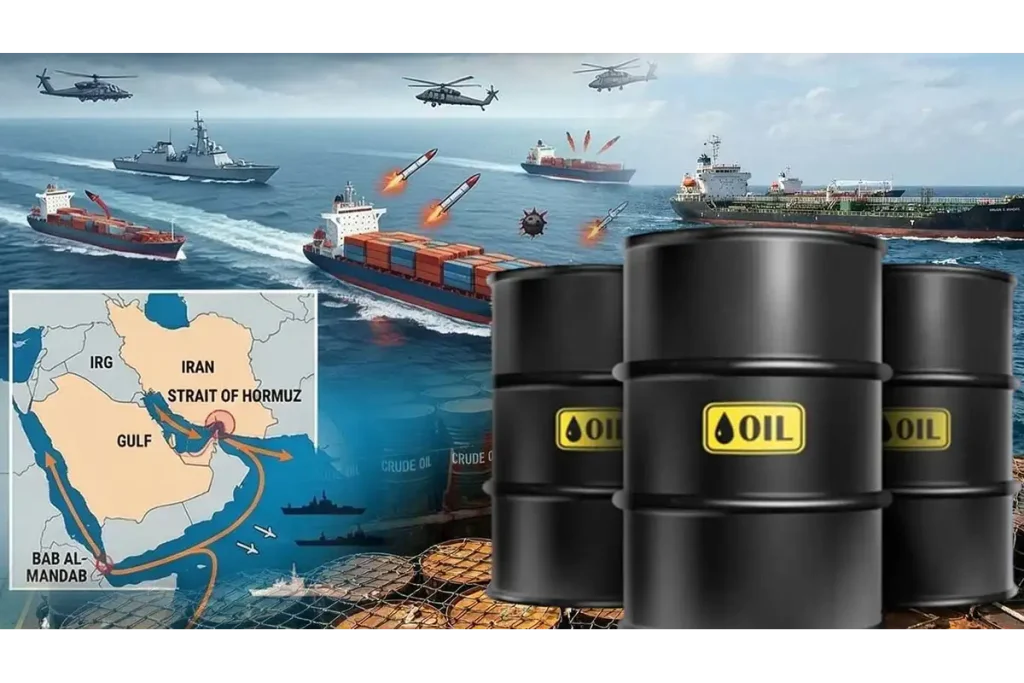
Middle East Oil Supply anxieties have dramatically evaporated following the announcement of a historic preliminary peace framework between Washington and Tehran, sparking a massive global stock market rally on Tuesday, June 16, 2026. As the direct threat of military blockades in the Strait of Hormuz recedes, international benchmarks are registering historic daily gains while crude prices tumble. To stay updated on the latest financial and geopolitical movements, explore our comprehensive coverage in our market trends category.
Table of Contents
- 1. Reopening the Strait of Hormuz and Middle East Oil Supply Stability
- 2. Global Equity Markets Skyrocket as Middle East Oil Supply Fears Ease
- 3. How Stabilizing Middle East Oil Supply Lowers Global Inflation
- 4. Statistical Shift in Global Energy and Equity Indicators
- 5. Frequently Asked Questions (FAQ)
The sudden de-escalation of the 107-day conflict has prompted a massive reallocation of capital away from defensive safe havens and back into equities. Financial institutions are rapidly adjusting their risk models as the geopolitical risk premium on commodity assets begins to dissolve. For tech and manufacturing conglomerates dependent on stable energy pricing, this transition represents a vital structural relief.
1. Reopening the Strait of Hormuz and Middle East Oil Supply Stability
The key driver of this market optimization is the concrete plan to reopen the Strait of Hormuz to all commercial vessels under international oversight. The prospect of safe, unhindered transits has immediately secured a steady outlook for Middle East Oil Supply, giving shippers the green light to return. Consequently, major maritime transport firms are canceling their costly detours around the southern coast of Africa.
According to analysis from the Reuters Commodity Desk, Brent crude futures plunged by over 4.5% in early morning trading, slipping well below $84 per barrel. This sharp price correction has dismantled fears of a prolonged stagflation cycle. Traders are now pricing in a highly predictable delivery schedule for millions of barrels of crude and liquefied natural gas.
While some regional ports will take time to clear the logistical backlog, the psychological relief on trading desks is absolute. The physical flow of oil is expected to return to its pre-war average of 20.9 million barrels per day within the month.
2. Global Equity Markets Skyrocket as Middle East Oil Supply Fears Ease
With energy anxieties subsiding, global stock markets have staged their most powerful single-day advance in years. Japan’s Nikkei 225 index led the charge with a historic 5.5% surge, while South Korea’s Kospi closed up 5.7%. For over three months, volatile pricing models had assumed a catastrophic halt in Middle East Oil Supply, but today’s correction represents a massive recalibration.
As documented by the Financial Times, technology and semiconductor shares are spearheading the Wall Street rebound, with Nasdaq futures rising by nearly 1.8%. The successful $75 billion public debut of SpaceX last Friday has added further momentum to this risk-on sentiment. Investors are aggressively pivoting back to high-growth tech portfolios as capital borrowing pressures begin to ease.
This rapid restoration of confidence indicates that corporate earnings expectations are already recovering. Market observers believe that this bullish momentum could extend throughout the upcoming fiscal quarter.
3. How Stabilizing Middle East Oil Supply Lowers Global Inflation
The direct correlation between fuel costs and manufacturing overhead has made this diplomatic breakthrough a crucial victory for central banks. Lowering transportation costs naturally reduces consumer price index metrics, proving that a secure Middle East Oil Supply remains vital to macroeconomic health. This stabilization arrives just ahead of the Federal Reserve’s upcoming policy meeting chaired by newly appointed Fed Chair Kevin Warsh.
As reported by Bloomberg, economists are already lowering their third-quarter inflation forecasts in response to the plunging energy indexes. The anticipated reduction in shipping surcharges will provide immediate relief to global retail supply chains. Central banks are now in a much stronger position to maintain a stable interest rate environment.
“The threat of a major energy shock has been averted, allowing global central banks to shift their focus from inflation control to sustaining economic growth,” noted a lead market strategist at a prominent European investment bank.
4. Statistical Shift in Global Energy and Equity Indicators
This comparative data highlights the economic indicators tracking the transition from crisis to stability in Middle East Oil Supply routes. The table below outlines key financial metrics before and after the ceasefire announcement.
| Financial Metric | Peak Conflict Levels (May 2026) | Post-Agreement Levels (June 16, 2026) |
|---|---|---|
| Brent Crude Oil (per barrel) | $98.50 – $102.00 | $83.40 (Down 4.5%+) |
| Nikkei 225 Index | 58,200 points | 61,400 points (Up 5.5%) |
| War Risk Shipping Surcharges | Exorbitant (Surged over 150%) | Expected to drop 30% within weeks |
| S&P 500 Futures Trend | Highly volatile (Bearish outlook) | Up 1.2% (Strong bullish rebound) |
5. Frequently Asked Questions (FAQ)
How did the recent peace framework stabilize the Middle East Oil Supply?
The peace framework established an immediate ceasefire and led to the reopening of the Strait of Hormuz by removing the naval blockade, thereby restoring the normal daily flow of the Middle East Oil Supply.
What impact does a secure Middle East Oil Supply have on stock markets?
A secure Middle East Oil Supply removes the geopolitical risk premium on energy, lowering production costs and boosting equity indices worldwide, particularly in the tech and manufacturing sectors.
How does this energy de-escalation influence global inflation?
By dropping crude prices and maritime shipping surcharges, the agreement significantly lowers overall transport and raw material costs, curbing inflationary pressures while stabilizing Middle East Oil Supply channels.